
Your resume is the first impression you make to an employer, and you want to ensure that first impression is the best it can be!
Using appropriate grammar and capitalization rules will make your resume easier to read and showcase professionalism and attention to detail. But how do you know what needs capitalization and what doesn’t? Here are some tips for what words need resume capitalization and where on your resume these titles are important.
Capitalization rules may seem confusing at first, but learn a few basics, and your resume will be ready to go in no time.
Why does resume capitalization matter in 2026?
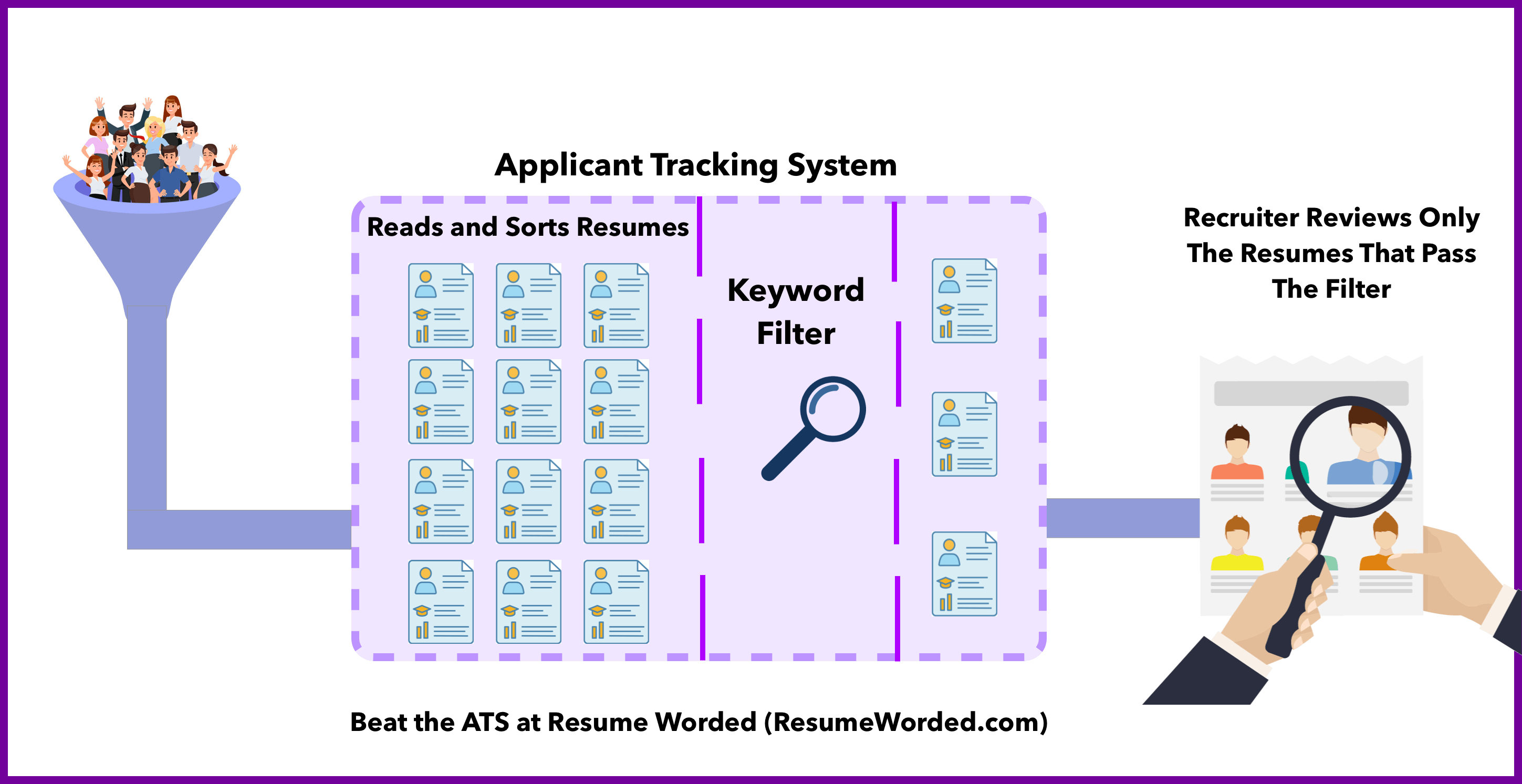
The vast majority of companies in 2026 are using AI-powered software to scan resumes and filter out those that don’t meet predetermined criteria. These ATS systems recognize standard grammar rules, including proper capitalization, meaning a well formatted resume will be more likely to make it into the hands of a recruiter and help you beat the ATS.
And the question that brings many people to this page: the word “resume” itself is a common noun. Keep it lowercase in the middle of a sentence — “please find my resume attached” — and capitalize it only at the start of a sentence or in a title.
A great way to check if your resume is ATS ready is to use our Resume Scanner, which will score your resume on key ATS criteria and pinpoint any areas for improvement.
General resume capitalization rules
Proper capitalization will enhance readability and help your resume stand out in the right way.
Follow general grammar guidelines, which means always capitalizing:
Avoid writing sentences or section body text in all caps, as this looks unprofessional — your name at the top of the page is the one exception, covered in the headers section below. And avoid typos by using software such as Grammarly to spell and grammar check your resume.
Never use all caps, as this looks unprofessional, and avoid typos by using software such as Grammarly to spell and grammar check your resume.
Dates have one case worth calling out: when your end date is ongoing, write “January 2024 – present” with a lowercase “present.” Capitalize it only when it opens a sentence or a bullet.
In the rest of this article, we will discuss capitalization rules for specific titles and qualifications. Don’t worry if this appears confusing. If in doubt, just stay consistent and use the same capitalization throughout your resume.
Job title capitalization
Capitalize specific job titles, such as Software Developer or Practice Educator, when used in your work experience section and if they appear before someone’s name.
For example:
Medical Assistant at ABC Hospital, 2020-2022
Vice President of Communications Richard Smith
General job titles should not be capitalized when used in a sentence, such as when describing your work experience or in your resume summary. For example:
Worked as a customer service representative for…
Gained valuable experience as a marketing intern while…
Capitalization of degree names and fields of study
Generally speaking, degree names and fields of study should be capitalized in the education section of your resume but not in your resume summary.
In your education section, use capitalization for:
- Degree names: Bachelor of Arts or Bachelor of Science
- Degree programs: Bachelor of Science in Computer Science
- Majors and minors: Bachelor of Arts in Creative Writing
- All proper nouns: English, French, Spanish
- All abbreviations or acronyms: UBC, MIT, BA, PhD, NASA
Do not use capitalization in your summary unless the word is a proper noun, such as names, places, or people. For example, you would not need to capitalize the word biology, child psychology, or bachelor’s degree, as these are not proper nouns, but you would capitalize French or Roman studies.
Capitalization of other certificates and awards
Much like degrees, certificates and awards should be capitalized in your education section, including the names of awarding bodies, fields of study, and acronyms. For example:
Google Career Certificate in Data Analysis, 2025
Primary Care Paramedic Certificate, JIBC, 2024
When to capitalize a team name
A team name can be capitalized if it includes a proper noun, such as Tim Hortons Green Team, or has a specific/unique title within the organization. In this instance, the team name becomes a proper noun, and capitalization is therefore acceptable. Capitalization is not required when referring to a general team, such as a customer service or analytics team.
When to capitalize an industry name
Industries should be capitalized if they are proper nouns, abbreviations, or acronyms. For example, you would capitalize IT as an abbreviation for information technology but would not need to capitalize information technology if written longhand.
Capitalization in resume headers
There is no right or wrong way to capitalize your resume headers and titles. Just make sure to be consistent throughout. You can either use title case (capitalize every word in the heading, except short conjunctions like and, or, if, so, etc.) or sentence case (capitalize only the first word and proper nouns). You can use capitalization programs to help capitalize your headings.
One header question deserves its own answer: yes, it’s fine to put your name in all caps at the top of your resume. JANE DOE as a name line is a common, accepted design choice, and ATS software parses it without trouble. What reads as shouting is all-caps body text — sentences and bullet points — not a name used as a visual anchor. Whichever you pick, all caps or title case, use the same treatment everywhere your name appears: resume, cover letter, LinkedIn.