
Whether you’re planning an upcoming move or simply open to relocating for the right position, including relocation on your resume is a great way of letting potential employers know that you are serious about pursuing opportunities beyond your current location.
It is a common misconception that employers will always hire local candidates over out-of-state applicants for fear of relocation expenses and moving costs. However, a willingness to relocate can demonstrate flexibility and adaptability, and applying for jobs before a move shows organization and forward planning; all positive attributes that impress recruiters.
By stating your relocation intentions clearly and concisely on your resume, moving does not have to complicate your job search, and a willingness to relocate can actually improve your chances of landing an interview.
How and where to mention relocating on your resume
Depending on your circumstances, there are different ways to indicate that you are willing to relocate for the right position vs when you intend to relocate by a specific date.
Willing to relocate
If you are open to relocating for the right position, include the phrase “willing to relocate” on your resume next to your address. This can either be in your resume header or contact information.
This is recommended when applying for out-of-state jobs to indicate to employers that your current location should not exclude you from consideration.
A sharper alternative: “Able to relocate independently within [timeframe]” — for example, “Able to relocate independently within 30 days.” The problem with plain “willing to relocate” is what it leaves open: an employer reading it doesn’t know whether they’d be paying for your move. “Able to relocate independently” closes that question upfront — you won’t cost more than a local hire — which puts you on equal footing in the first screen.
Here is an example of a candidate including ‘Willing To Relocate’ in their resume header

Relocating soon
If you plan to relocate by a certain date, independent of the job you are applying for, include the city or general location you are moving to alongside the intended date, either in your resume header or contact information.
For example:
Relocating to New York, May 2027
Relocating to San Francisco, Bay Area, April 2027
Be location specific
If you are applying for work in a specific area, include this location in your relocation statement.
For example:
Willing to relocate to (location)
Searching for a position in (location)
If you are willing to relocate anywhere for the right position, you can simply write:
Willing to relocate nationwide
Relocating and open to remote work
If you’re applying to fully remote roles, your location matters far less to the employer — you usually don’t need a relocation statement at all, and “(Remote)” or “Open to remote work” next to your location covers it. If you’re applying to a mix of remote and in-person roles, say so explicitly instead of stacking both signals: “Remote preferred; open to relocating for the right in-office role.” Listing “remote only” and “willing to relocate” side by side with no explanation reads as unfocused rather than flexible.
What address to put on your resume when relocating
When applying for work in a different city, you can either include your current address alongside your relocation address or simply state your relocation address.
For example:
Vancouver, BC (relocating to Victoria, May 2027)
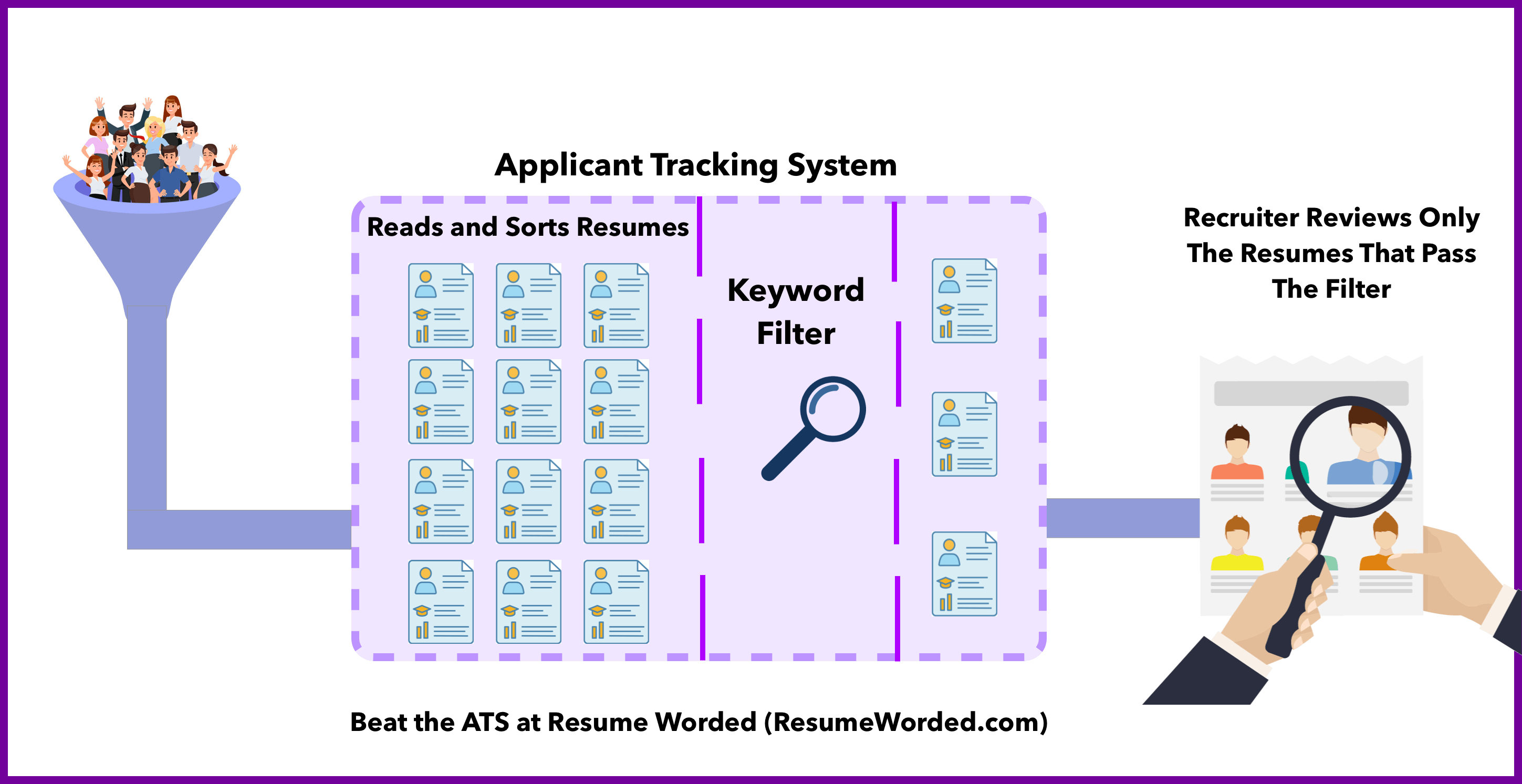
There’s a practical reason to lead with your target city rather than tacking “open to relocation” onto your current one: many recruiters and applicant tracking systems sort and filter candidates by the location field on the resume. If your plans are firm, list the city you’re moving to — with your current city in parentheses, as in “Austin, TX (relocating from Denver)” — so you surface in searches for that market instead of your old one.
When relocating, the same rules apply for including a home address on your resume:
- Using a city and state is usually preferred to a complete street address. This protects your privacy while still providing geographical information relevant to the recruiter.
- General locations or city names (e.g. The Bay Area) are best when applying out of state. Your full address takes up valuable space on your resume and is not relevant to an out-of-state employer.
- City and Country are preferred when applying abroad so the recruiter is aware of your local timezone for future communications.
If you choose not to include your address on your resume, mention your willingness or intent to relocate with the rest of your contact information.
You can include your plans to relocate or willingness to relocate in either your resume header or cover letter. To find out if you have properly indicated your relocation plans on your resume, upload it to the tool below. It will provide feedback on what should be included or removed from your resume, and will let you know if you have effectively highlighted your most relevant accomplishments and skills.
Tips for applicants planning to relocate
If you are upfront and honest regarding relocation, moving does not have to be a complication when applying for work, and a willingness to relocate can help your application reach the right employers.
Be honest
Don’t use a fake address before you move or claim to live somewhere you don’t. Any form of lying on your resume makes for a poor first impression. Instead, be clear and specific about your relocation plans, state when and where you are moving and include a date if known.
Expand on relocation in your cover letter
Your cover letter is a great place to provide additional information about your intentions or willingness to relocate. You can highlight your reasons for wanting to relocate or explain that you have already made arrangements to move. Don’t write too much personal detail, your cover letter is not a place to chat, but include information relevant to your relocation.
For example:
I am willing to relocate to San Francisco and am excited for the right opportunity to bring me back to my hometown.
Optimize your resume for the application
Make sure your resume is specifically targeted for the job you are applying for. Use our free Targeted Resume tool to analyze the job description, identify missing keywords or skills, and tailor your resume for each application.
If you want to find relevant skills and keywords for the job you’re applying for, search for the job using the tool below and it’ll give you a list of skills required for that position.
Be available for in-person interviews
When applying for work out of state it can help to make yourself available for in-person interviews. Plan to be available in your desired location for a week to attend potential interviews and mention this specific time frame in your cover letter.
For example:
I will be moving to (location) within the month and am prepared to be available for an interview sooner
I will be relocating to (location) in May and am available for in-person interviews on the week of April 15th
Include your willingness to attend video/phone interviews
Include in your cover letter that you are available for phone or video interviews (Zoom, Teams, or similar), as this is often easier for out-of-state or out-of-country applications. Mention your availability for video calls alongside your contact information if you foresee this being practical for your potential employer.
Here is an example of a candidate including their video-call handle under contact information:

Consider offering to pay relocation expenses
Some employers offer an allowance to cover relocation expenses for new employees. If you are in a competitive job market, you can suggest covering your relocation costs to give your application an extra edge over the competition.